


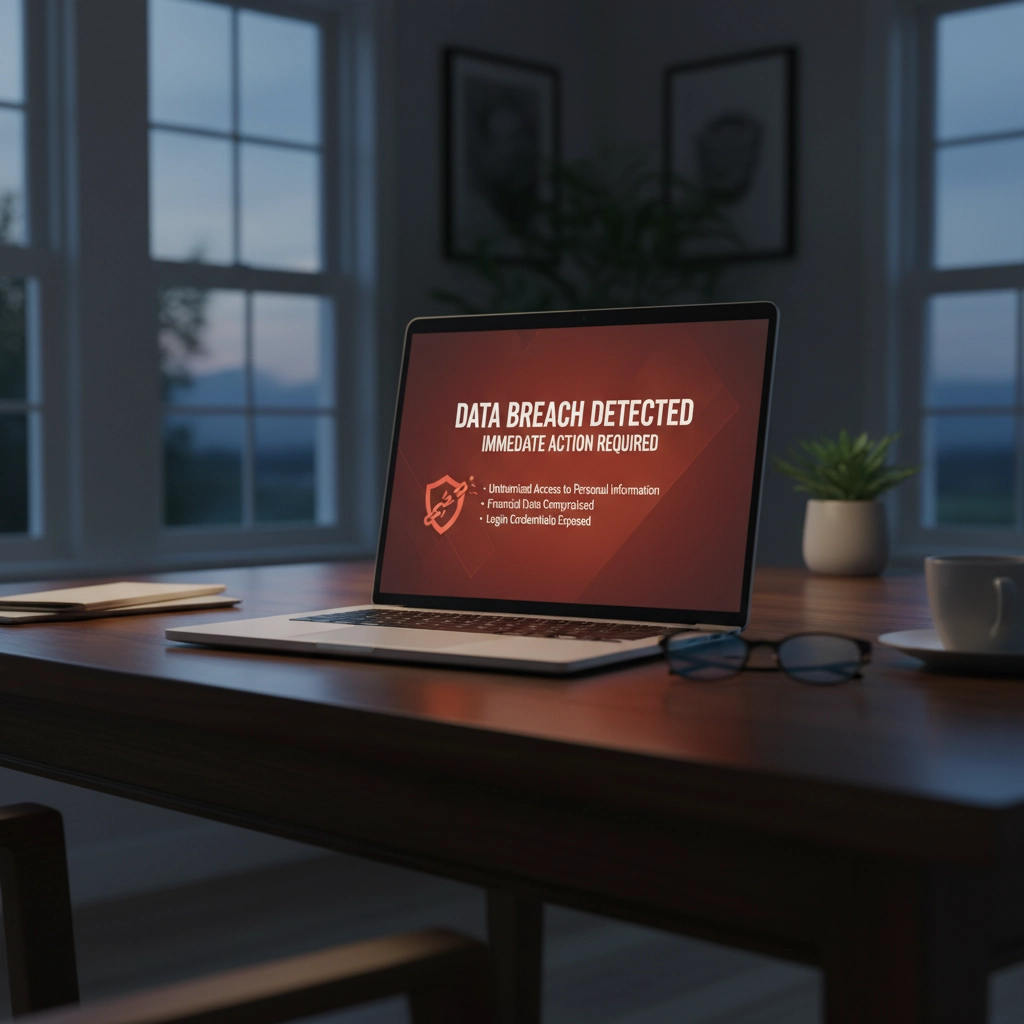
Data breaches are a growing concern in our digital age, with the potential to expose sensitive personal information and cause significant harm. When a company or organization fails to adequately protect your data, and a breach occurs, you may be entitled to compensation through a class action lawsuit. This guide provides an overview of data breach compensation in Canada, the steps to take after a breach, how to identify relevant class actions, proving damages, and future trends in this evolving area of law. Understanding your rights and options is crucial for protecting yourself in the event of a data breach.


Data Breach Rights: Canadian Legal Landscape
Data breaches occur when personal information held by an organization is accessed without authorization, often due to negligence or a cyberattack. In Canada, several laws govern the protection of personal information, including the Personal Information Protection and Electronic Documents Act (PIPEDA) for private sector organizations and provincial equivalents like Alberta’s Personal Information Protection Act (PIPA) and British Columbia’s PIPA. These laws mandate that organizations implement reasonable security measures to safeguard personal information. When a breach occurs due to a failure to meet these standards, affected individuals may have grounds for legal action. Class action lawsuits provide a mechanism for many individuals with similar claims to collectively seek compensation from the responsible organization. The legal basis for such lawsuits often rests on negligence, breach of contract (if there was an agreement with privacy terms), or breach of statutory duty under privacy legislation. Recent court decisions have shaped the landscape of data breach litigation in Canada, clarifying the types of damages that can be claimed and the standard of care expected of organizations handling personal data. These decisions underscore the importance of robust data security practices and the potential consequences of failing to protect sensitive information.
Immediate Actions After a Data Breach
If you suspect your personal information has been compromised in a data breach, taking immediate action is crucial to mitigate potential harm. First, carefully review the notification you received from the organization that experienced the breach. This notification should provide details about the nature of the breach, the type of information exposed, and steps you can take to protect yourself. Next, change your passwords for all online accounts, especially those that use the same username and password combination. Enable two-factor authentication wherever possible to add an extra layer of security. Monitor your credit reports and bank accounts for any signs of unauthorized activity. Consider placing a fraud alert on your credit file, which requires creditors to take extra steps to verify your identity before granting credit. You should also be wary of phishing emails or phone calls that may attempt to exploit the breach by posing as legitimate organizations. Report any suspected fraud or identity theft to the Canadian Anti-Fraud Centre and your local police. Finally, keep records of all communications, expenses, and time spent dealing with the breach, as this documentation may be helpful if you choose to participate in a class action lawsuit or pursue individual legal action.


Identifying Data Breach Class Actions
Staying informed about ongoing data breach class action lawsuits is essential for determining if you are eligible for compensation. Law firms specializing in data breach litigation often announce new class actions on their websites and through media channels. You can also search online for “data breach class action Canada” to find information about active lawsuits. Class action lawsuits typically have specific eligibility criteria, such as residing in a particular province or having your information exposed in a specific data breach. Review the details of each lawsuit carefully to determine if you meet the criteria. If you believe you are eligible, contact the law firm handling the case to learn more about the process for joining the class action. Be prepared to provide information about the data breach, the type of information compromised, and any damages you have suffered as a result. Joining a class action lawsuit can provide a way to seek compensation without having to individually pursue legal action, as the law firm handles the legal proceedings on behalf of all class members.
Proving Damages in Data Breach Lawsuits
One of the key challenges in data breach class action lawsuits is proving the damages suffered by affected individuals. In Canada, courts have recognized various types of damages that may be awarded in data breach cases. These include direct financial losses resulting from identity theft or fraud, such as unauthorized charges on credit cards or fraudulent withdrawals from bank accounts. Plaintiffs may also claim compensation for out-of-pocket expenses incurred as a result of the breach, such as the cost of credit monitoring services or identity theft protection. In addition to financial losses, courts may award damages for emotional distress, inconvenience, and the loss of privacy. However, proving these types of damages can be more challenging, as they are often subjective and difficult to quantify. To support a claim for emotional distress, plaintiffs may need to provide evidence of anxiety, stress, or other psychological harm caused by the breach. This evidence may include medical records, therapy bills, or testimony from mental health professionals. It is important to document all damages you have suffered as a result of the data breach, including financial losses, expenses, and emotional distress. This documentation will be essential for supporting your claim in a class action lawsuit.

Future Trends in Data Breach Litigation
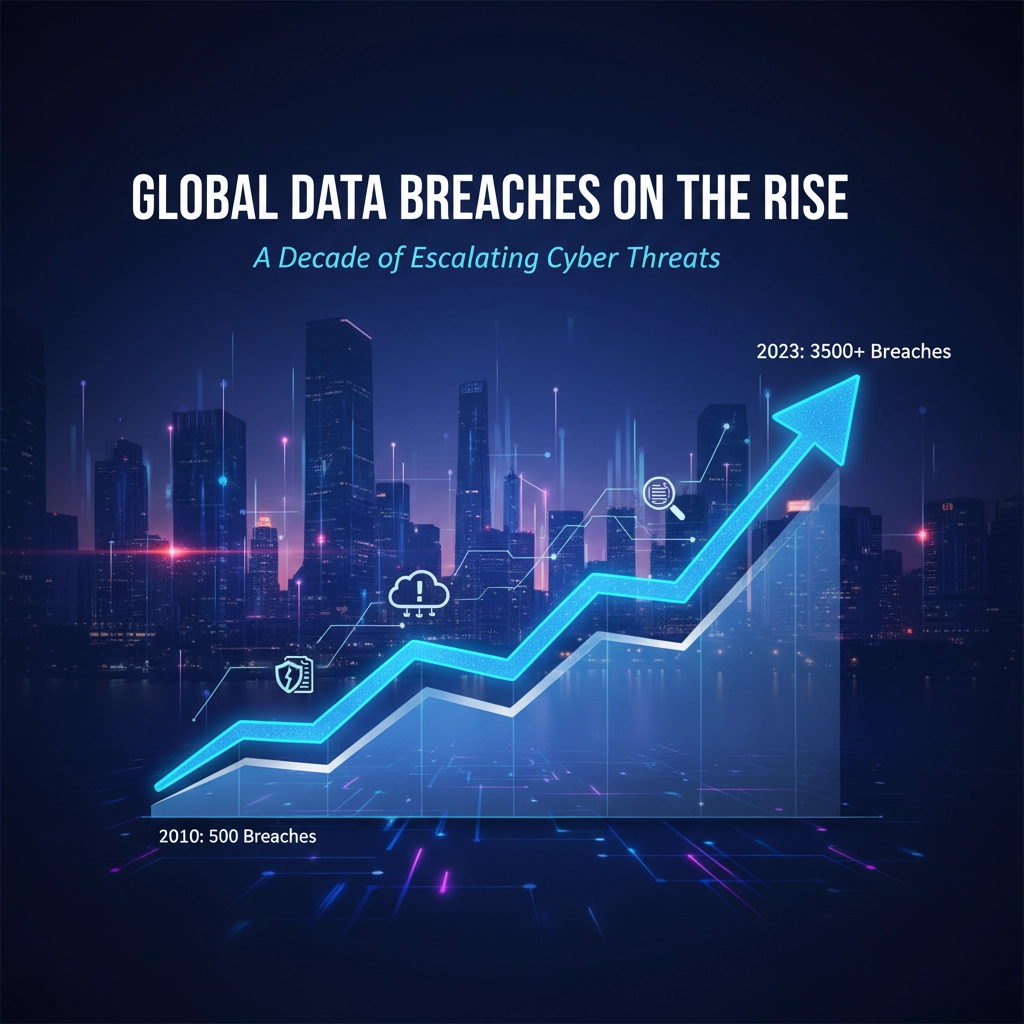
The landscape of data breach litigation in Canada is constantly evolving, driven by increasing cyber threats and growing awareness of privacy rights. Several trends are expected to shape the future of these lawsuits. First, as data breaches become more frequent and sophisticated, courts are likely to continue refining the standard of care expected of organizations that handle personal information. This may lead to stricter requirements for data security practices and greater accountability for organizations that fail to protect sensitive information. Second, the types of damages awarded in data breach cases may expand to include compensation for the increased risk of future harm resulting from the breach. This could include damages for the potential for future identity theft or fraud, even if no actual harm has occurred yet. Third, the use of technology in data breach litigation is likely to increase, with tools like data analytics and artificial intelligence being used to identify affected individuals and assess damages. Finally, as privacy laws continue to evolve, new legal avenues may emerge for holding organizations accountable for data breaches. This could include the introduction of statutory damages for privacy violations or the expansion of individual rights under privacy legislation. Staying informed about these trends is crucial for understanding your rights and options in the event of a data breach.
In conclusion, data breach class action lawsuits provide a crucial avenue for Canadians to seek compensation when their personal information is compromised due to negligence or cyberattacks. Understanding your legal rights, taking immediate steps to protect your identity and finances, identifying relevant class actions, and documenting your damages are all essential for navigating the complexities of data breach litigation. As cyber threats continue to evolve, it is important to stay informed about future trends in this area of law to ensure you are prepared to protect yourself and seek justice when your privacy is violated. By understanding your rights and taking proactive steps, you can empower yourself in the face of data breaches and hold organizations accountable for protecting your personal information.
Data Breach Compensation: Navigating Legal Options in Canada
Data breaches are becoming increasingly common, impacting millions of individuals and raising significant concerns about the security of personal information. In Canada, when a data breach occurs due to an organization’s failure to adequately protect your data, you may be entitled to compensation through legal avenues such as class action lawsuits. This guide provides a comprehensive overview of data breach compensation in Canada, outlining your legal rights, immediate steps to take after a breach, how to identify relevant class action lawsuits, the process of proving damages, and potential future trends in this evolving legal landscape. Understanding these aspects is crucial for protecting yourself and seeking appropriate redress in the event of a data breach.
Understanding Data Breach Compensation in Canada
In Canada, the legal framework for data protection is primarily governed by the Personal Information Protection and Electronic Documents Act (PIPEDA) at the federal level, which applies to private-sector organizations across the country, except in provinces with substantially similar legislation. Provinces like Alberta, British Columbia, and Quebec have their own privacy laws that govern the handling of personal information within their jurisdictions. These laws mandate that organizations implement reasonable security measures to protect personal information from unauthorized access, use, or disclosure. When a data breach occurs due to a failure to comply with these legal obligations, affected individuals may have grounds for seeking compensation. Potential legal avenues include individual lawsuits, complaints to privacy commissioners, and class action lawsuits. Class actions are particularly relevant when a large number of individuals are affected by the same data breach, as they allow for a collective approach to seeking redress. Compensation in data breach cases may cover various types of damages, including direct financial losses, out-of-pocket expenses, emotional distress, and the loss of control over personal information. The specific types of damages that are recoverable and the amounts awarded can vary depending on the circumstances of the breach and the applicable legal principles.
Immediate Steps to Take After a Data Breach
Upon discovering that your personal information has been compromised in a data breach, taking swift and decisive action is crucial to mitigate potential harm and protect yourself from identity theft and financial fraud. The first step is to carefully review the notification you received from the organization that experienced the data breach. This notification should provide details about the nature of the breach, the type of information that was exposed, and any steps you should take to protect yourself. Next, change your passwords for all online accounts, especially those that use the same username and password combination. Opt for strong, unique passwords that are difficult to guess. Enable two-factor authentication (2FA) wherever possible to add an extra layer of security to your accounts. Monitor your credit reports and bank accounts for any signs of unauthorized activity. Consider placing a fraud alert on your credit file, which requires creditors to take extra steps to verify your identity before granting credit. You should also be wary of phishing emails or phone calls that may attempt to exploit the breach by posing as legitimate organizations. Report any suspected fraud or identity theft to the Canadian Anti-Fraud Centre and your local police. Finally, keep records of all communications, expenses, and time spent dealing with the breach, as this documentation may be helpful if you choose to participate in a class action lawsuit or pursue individual legal action.
Identifying Data Breach Class Action Lawsuits in Canada
To determine if you are eligible for compensation through a data breach class action lawsuit in Canada, it is essential to stay informed about ongoing legal actions and their eligibility criteria. Law firms specializing in data breach litigation often announce new class actions on their websites, through press releases, and via social media channels. You can also search online for “data breach class action Canada” to find information about active lawsuits and their status. Class action lawsuits typically have specific eligibility requirements, such as residing in a particular province or having your information exposed in a specific data breach. Review the details of each lawsuit carefully to determine if you meet the criteria. If you believe you are eligible, contact the law firm handling the case to learn more about the process for joining the class action. Be prepared to provide information about the data breach, the type of information compromised, and any damages you have suffered as a result. Joining a class action lawsuit can provide a way to seek compensation without having to individually pursue legal action, as the law firm handles the legal proceedings on behalf of all class members. However, it is important to understand the terms of the class action, including any potential settlement amounts and the process for receiving compensation.
Proving Damages in a Canadian Data Breach Class Action
One of the key challenges in data breach class action lawsuits is proving the damages suffered by affected individuals. In Canada, courts have recognized various types of damages that may be awarded in data breach cases, including direct financial losses, out-of-pocket expenses, emotional distress, and the loss of control over personal information. Direct financial losses may include unauthorized charges on credit cards, fraudulent withdrawals from bank accounts, or other monetary losses resulting from identity theft or fraud. Out-of-pocket expenses may include the cost of credit monitoring services, identity theft protection, or other expenses incurred as a result of the breach. Emotional distress damages may be awarded for anxiety, stress, or other psychological harm caused by the breach. The loss of control over personal information may be compensated if the breach resulted in the unauthorized disclosure of sensitive personal information. To support a claim for damages, it is important to gather and preserve all relevant documentation, such as bank statements, credit card statements, medical records, therapy bills, and any other records that demonstrate the harm you have suffered as a result of the data breach. You may also need to provide testimony or affidavits to support your claim.
Future Trends in Data Breach Litigation in Canada
The field of data breach litigation in Canada is continually evolving, driven by the increasing frequency and sophistication of cyberattacks, growing awareness of privacy rights, and advancements in technology. Several trends are expected to shape the future of these lawsuits. First, as data breaches become more common, courts are likely to continue refining the standard of care expected of organizations that handle personal information. This may lead to stricter requirements for data security practices and greater accountability for organizations that fail to protect sensitive information. Second, the types of damages awarded in data breach cases may expand to include compensation for the increased risk of future harm resulting from the breach. This could include damages for the potential for future identity theft or fraud, even if no actual harm has occurred yet. Third, the use of technology in data breach litigation is likely to increase, with tools like data analytics and artificial intelligence being used to identify affected individuals and assess damages. Finally, as privacy laws continue to evolve, new legal avenues may emerge for holding organizations accountable for data breaches. This could include the introduction of statutory damages for privacy violations or the expansion of individual rights under privacy legislation. Staying informed about these trends is crucial for understanding your rights and options in the event of a data breach.
In conclusion, data breach class action lawsuits provide a vital mechanism for Canadians to seek compensation when their personal information is compromised due to the negligence or misconduct of organizations entrusted with its protection. By understanding your legal rights, taking immediate steps to protect yourself after a breach, identifying relevant class action lawsuits, and gathering evidence to support your claim for damages, you can empower yourself to navigate the complexities of data breach litigation and seek appropriate redress for the harm you have suffered. As cyber threats continue to evolve, it is essential to stay informed about future trends in this area of law to ensure you are prepared to protect yourself and hold organizations accountable for safeguarding your personal information. By taking proactive steps and exercising your legal rights, you can contribute to a more secure and privacy-respecting digital environment in Canada.
Canadian Data Breach Lawsuits: Seeking Financial Redress
Data breaches are a pervasive threat in today’s digital landscape, posing significant risks to individuals and organizations alike. In Canada, when a data breach compromises your personal information due to an organization’s negligence, you may have the right to seek compensation through legal avenues, including class action lawsuits. This comprehensive guide provides essential information about data breach compensation in Canada, detailing your legal rights, the immediate steps to take following a breach, how to identify and join relevant class action lawsuits, the process of proving damages, and emerging trends in data breach litigation. By understanding these aspects, you can effectively protect yourself and pursue appropriate legal remedies in the event of a data breach.
Understanding Your Legal Rights After a Breach
The legal framework governing data protection in Canada is primarily based on the Personal Information Protection and Electronic Documents Act (PIPEDA) at the federal level. PIPEDA applies to private-sector organizations across Canada, except in provinces that have enacted substantially similar legislation. Alberta, British Columbia, and Quebec, for example, have their own privacy laws that govern the handling of personal information within their respective jurisdictions. These laws mandate that organizations implement reasonable security measures to safeguard personal information from unauthorized access, use, or disclosure. When a data breach occurs due to an organization’s failure to comply with these legal obligations, affected individuals may have grounds for seeking compensation. Potential legal avenues include individual lawsuits, complaints to privacy commissioners, and class action lawsuits. Class actions are particularly effective when a large number of individuals are affected by the same data breach, as they allow for a collective approach to seeking redress. Compensation in data breach cases may cover various types of damages, including direct financial losses, out-of-pocket expenses, emotional distress, and the loss of control over personal information. The specific types of damages that are recoverable and the amounts awarded can vary depending on the circumstances of the breach and the applicable legal principles.
Immediate Post-Breach Actions for Canadians
When you discover that your personal information has been compromised in a data breach, prompt action is critical to mitigate potential harm and protect yourself from identity theft and financial fraud. Begin by carefully reviewing the notification you received from the organization that experienced the data breach. This notification should provide details about the nature of the breach, the type of information that was exposed, and any steps you should take to protect yourself. Immediately change your passwords for all online accounts, particularly those that share the same username and password. Choose strong, unique passwords that are difficult to guess. Enable two-factor authentication (2FA) wherever possible to add an extra layer of security to your accounts. Monitor your credit reports and bank accounts for any signs of unauthorized activity. Consider placing a fraud alert on your credit file, which requires creditors to take extra steps to verify your identity before granting credit. Be vigilant for phishing emails or phone calls that may attempt to exploit the breach by posing as legitimate organizations. Report any suspected fraud or identity theft to the Canadian Anti-Fraud Centre and your local police. Maintain records of all communications, expenses, and time spent addressing the breach, as this documentation may be valuable if you decide to participate in a class action lawsuit or pursue individual legal action.
Identifying Data Breach Class Actions: Eligibility
To determine whether you qualify for compensation through a data breach class action lawsuit in Canada, it is essential to stay informed about ongoing legal actions and their eligibility criteria. Law firms that specialize in data breach litigation frequently announce new class actions on their websites, through press releases, and via social media channels. You can also search online for “data breach class action Canada” to find information about active lawsuits and their current status. Class action lawsuits typically have specific eligibility requirements, such as residing in a particular province or having your information exposed in a specific data breach. Carefully review the details of each lawsuit to determine if you meet the criteria. If you believe you are eligible, contact the law firm handling the case to learn more about the process for joining the class action. Be prepared to provide information about the data breach, the type of information compromised, and any damages you have suffered as a result. Joining a class action lawsuit provides a means to seek compensation without individually pursuing legal action, as the law firm manages the legal proceedings on behalf of all class members. However, it is important to understand the terms of the class action, including any potential settlement amounts and the process for receiving compensation.
Proving Damages in Canadian Courts
A key challenge in data breach class action lawsuits is substantiating the damages suffered by affected individuals. In Canada, courts recognize various types of damages that may be awarded in data breach cases, including direct financial losses, out-of-pocket expenses, emotional distress, and the loss of control over personal information. Direct financial losses may encompass unauthorized charges on credit cards, fraudulent withdrawals from bank accounts, or other monetary losses resulting from identity theft or fraud. Out-of-pocket expenses may include the cost of credit monitoring services, identity theft protection, or other expenses incurred as a result of the breach. Emotional distress damages may be awarded for anxiety, stress, or other psychological harm caused by the breach. The loss of control over personal information may be compensated if the breach resulted in the unauthorized disclosure of sensitive personal information. To bolster a claim for damages, it is vital to gather and preserve all relevant documentation, such as bank statements, credit card statements, medical records, therapy bills, and any other records that demonstrate the harm you have suffered as a result of the data breach. You may also need to provide testimony or affidavits to support your claim.
Evolving Trends in Canadian Data Breach Litigation
The landscape of data breach litigation in Canada is continually evolving, influenced by the increasing frequency and sophistication of cyberattacks, heightened awareness of privacy rights, and advancements in technology. Several trends are expected to shape the future of these lawsuits. First, as data breaches become more prevalent, courts are likely to continue refining the standard of care expected of organizations that handle personal information. This may lead to stricter requirements for data security practices and greater accountability for organizations that fail to protect sensitive information. Second, the types of damages awarded in data breach cases may expand to include compensation for the increased risk of future harm resulting from the breach. This could encompass damages for the potential for future identity theft or fraud, even if no actual harm has yet occurred. Third, the use of technology in data breach litigation is likely to increase, with tools like data analytics and artificial intelligence being used to identify affected individuals and assess damages. Finally, as privacy laws continue to evolve, new legal avenues may emerge for holding organizations accountable for data breaches. This could include the introduction of statutory damages for privacy violations or the expansion of individual rights under privacy legislation. Staying abreast of these trends is crucial for understanding your rights and options in the event of a data breach.
In conclusion, data breach class action lawsuits serve as an essential mechanism for Canadians to seek compensation when their personal information is compromised due to the negligence or misconduct of organizations entrusted with its protection. By understanding your legal rights, taking immediate steps to protect yourself after a breach, identifying relevant class action lawsuits, and gathering evidence to support your claim for damages, you can empower yourself to navigate the complexities of data breach litigation and seek appropriate redress for the harm you have suffered. As cyber threats persist and evolve, it is imperative to remain informed about emerging trends in this area of law to ensure you are well-prepared to protect yourself and hold organizations accountable for safeguarding your personal information. By taking proactive measures and exercising your legal rights, you contribute to a more secure and privacy-respecting digital environment in Canada.