



Introduction to Lease Negotiations
Commercial lease agreements are complex documents with significant financial implications for both landlords and tenants. Effective negotiation is crucial to securing favorable terms that align with each party’s business objectives. Understanding key negotiation strategies can lead to mutually beneficial outcomes and long-term successful partnerships. As these agreements are heavily negotiated, it is beneficial to understand the importance of negotiation strategies.

Landlord Negotiation Tactics
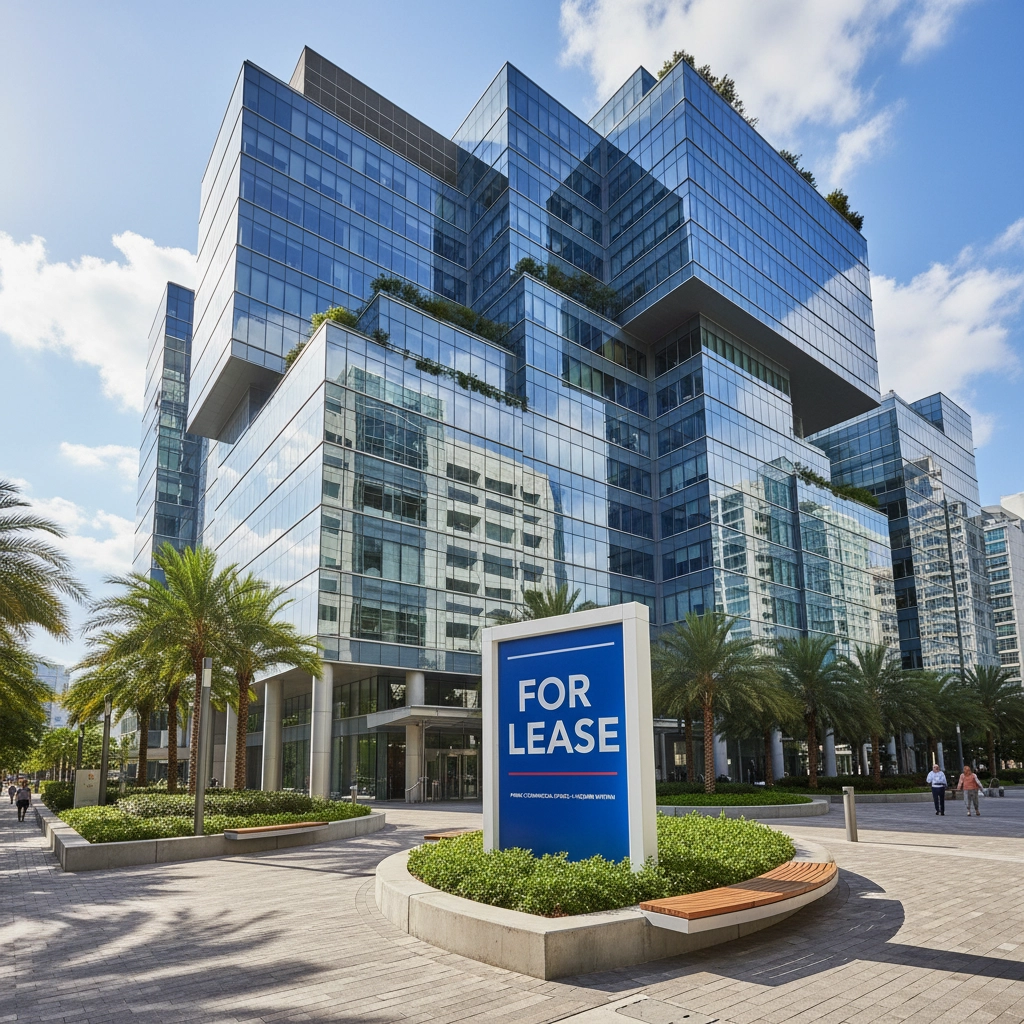
Landlords often focus on maximizing rental income and minimizing vacancies. Strategies include emphasizing the property’s prime location, unique amenities, and historical occupancy rates. They may also highlight potential future development plans that could increase property value and tenant business. Landlords should be prepared to justify rental rates with market data and demonstrate a commitment to maintaining a high-quality property.
Tenant Negotiation Strategies
Tenants prioritize securing favorable rental rates, flexible lease terms, and sufficient tenant improvement allowances. Researching comparable properties and understanding market conditions are essential. Tenants should negotiate for options to renew, expand, or sublease the space. It’s also important to clarify responsibilities for maintenance, repairs, and operating expenses. To ensure the lease supports your business goals, careful planning is needed.


Key Lease Provisions to Negotiate
Several key lease provisions are ripe for negotiation, including the base rent, rent escalation clauses, common area maintenance (CAM) charges, and the permitted use of the premises. Negotiating a clear and comprehensive description of the leased premises and any included amenities is also crucial. Furthermore, carefully consider the implications of any personal guarantees or early termination clauses.
Importance of Legal Counsel
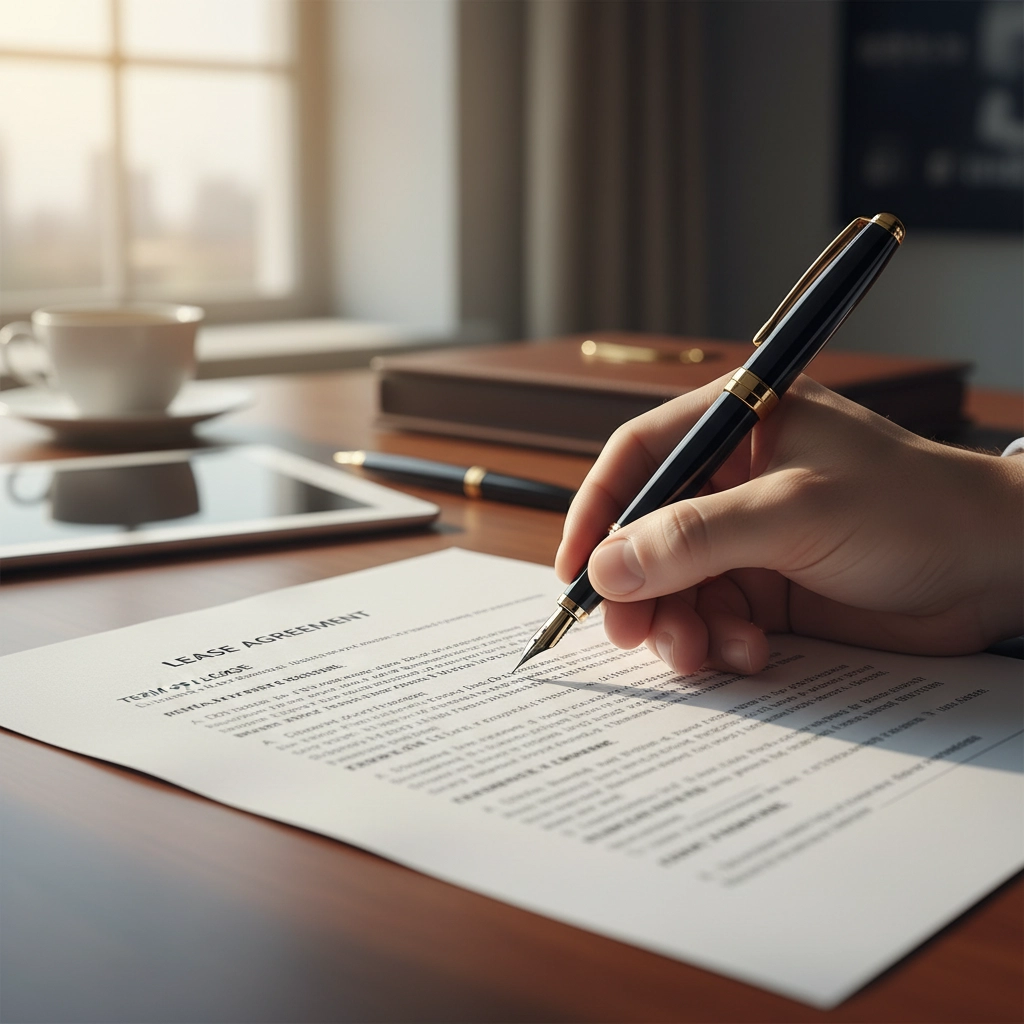
Both landlords and tenants should seek legal counsel to review and negotiate commercial lease agreements. An experienced attorney can identify potential pitfalls, protect their client’s interests, and ensure the lease accurately reflects the agreed-upon terms. Legal counsel can also advise on compliance with relevant laws and regulations. Expert legal council can advise you and ensure that the lease accurately reflects the parties’ intentions.

Conclusion: Achieving a Win-Win Outcome
Successful commercial lease negotiations require a collaborative approach, where both landlords and tenants understand each other’s needs and priorities. By employing effective negotiation strategies and seeking professional guidance, parties can reach mutually beneficial agreements that foster long-term success and minimize potential disputes.