



Introduction to Dangerous Drug Class Actions
When pharmaceutical companies release drugs onto the market, they have a responsibility to ensure those drugs are safe and effective for their intended use. Unfortunately, this is not always the case. Sometimes, drugs can have unexpected and dangerous side effects that harm patients. When numerous individuals suffer similar harm from the same drug, a dangerous drug class action lawsuit may be the appropriate course of action. This legal mechanism allows many plaintiffs to consolidate their claims into a single case against the drug manufacturer, streamlining the legal process and potentially increasing their chances of success in obtaining compensation for their injuries. If you believe you have been harmed by a dangerous drug, it’s essential to understand your rights and the steps you can take to protect them.


Identifying a Dangerous Drug
The first step in determining if you have a potential claim is to identify whether the drug you took has been linked to dangerous side effects. Information about drug side effects and recalls can be found through various sources, including Health Canada, medical journals, and news reports. It’s crucial to be aware of potential symptoms or health issues that may have arisen after taking the drug. These symptoms might include unexpected physical ailments, psychological changes, or the development of a new medical condition. Consulting with your doctor is paramount in determining whether the drug you were taking could be the cause of your health problems. Your doctor can assess your medical history, conduct relevant tests, and provide an expert opinion on the potential link between the drug and your symptoms. Keep detailed records of your medical treatments, prescriptions, and any expenses incurred due to your injury, as this will be valuable evidence in your potential claim.
Seeking Legal Consultation
If you suspect that a drug has caused you harm, it is crucial to seek legal advice from a qualified personal injury lawyer, especially one with experience in pharmaceutical litigation and class action lawsuits. An experienced lawyer can evaluate your case, explain your legal options, and guide you through the complex legal process. During your initial consultation, be prepared to provide your lawyer with details about the drug you took, the side effects you experienced, your medical history, and any other relevant information. Your lawyer will assess the strength of your claim and advise you on the best course of action, which may involve joining an existing class action lawsuit or initiating a new one. They will also explain the potential benefits and risks of participating in a class action, including the potential for a larger settlement or judgment compared to individual lawsuits.

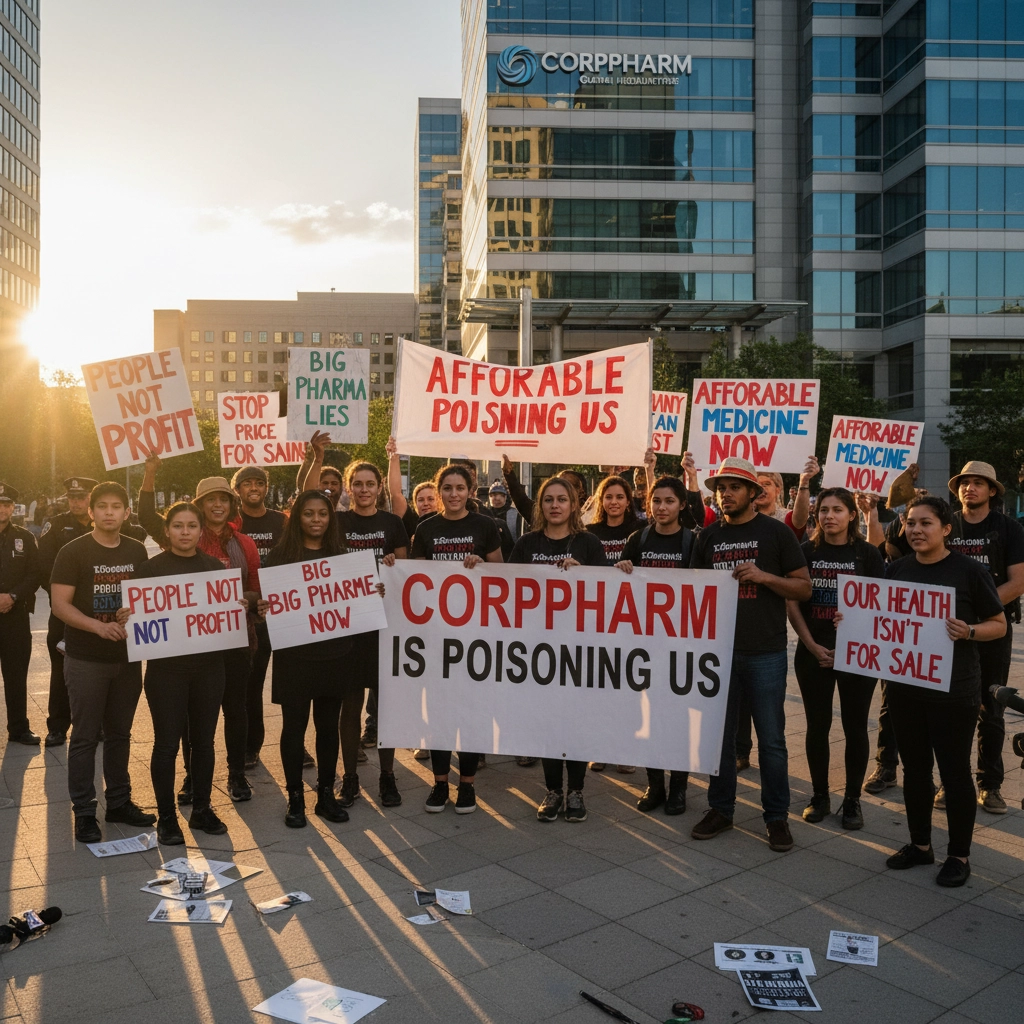
The Class Action Lawsuit Process
A class action lawsuit is a legal procedure that allows a group of people with similar claims to sue a defendant as a collective. In a dangerous drug class action, the plaintiffs typically allege that the drug manufacturer failed to adequately test the drug, concealed known risks, or marketed the drug in a misleading manner. The lawsuit begins with a representative plaintiff or plaintiffs filing a claim on behalf of the entire class. The court must then certify the class, meaning it determines that the requirements for a class action are met. These requirements typically include numerosity (a large number of potential plaintiffs), commonality (common questions of law or fact), typicality (the representative plaintiff’s claims are typical of the class), and adequacy (the representative plaintiff can adequately represent the class). Once the class is certified, notice is given to potential class members, informing them of their right to participate in the lawsuit or to opt-out.
Proving Your Claim
To succeed in a dangerous drug class action, it is essential to prove that the drug caused your injuries. This typically involves presenting medical evidence, expert testimony, and other forms of documentation that demonstrate a causal link between the drug and your health problems. Medical records, including doctor’s notes, test results, and hospital records, can provide evidence of your medical condition and the timeline of your symptoms. Expert witnesses, such as medical professionals and pharmaceutical experts, can provide testimony on the potential risks of the drug and the likelihood that it caused your injuries. Evidence of the drug manufacturer’s negligence, such as internal documents or marketing materials, can also be used to support your claim. It’s important to work closely with your lawyer to gather all necessary evidence and build a strong case.


Seeking Compensation and Moving Forward
If the class action lawsuit is successful, either through a settlement or a judgment, compensation may be awarded to the class members. The amount of compensation will vary depending on the severity of your injuries, the extent of your damages, and the terms of the settlement or judgment. Compensation may include damages for medical expenses, lost wages, pain and suffering, and other related losses. Your lawyer will advise you on the process for claiming your share of the settlement or judgment. Beyond the legal process, it’s essential to focus on your health and well-being. Continue to seek medical treatment for your injuries and follow your doctor’s recommendations. Consider joining support groups or seeking counseling to cope with the emotional and psychological effects of your experience. By taking these steps, you can move forward with your life and rebuild after being harmed by a dangerous drug.
Conclusion
Being harmed by a dangerous drug can be a traumatic experience, but it’s important to remember that you are not alone. Many people have suffered similar injuries, and there are legal options available to help you seek compensation and justice. By understanding your rights, seeking legal advice, and gathering evidence to support your claim, you can take steps to hold drug companies accountable and obtain the financial resources you need to recover from your injuries. Remember to prioritize your health and well-being throughout the legal process and seek support from medical professionals and support groups as needed. With perseverance and the help of a skilled legal team, you can navigate the complexities of a dangerous drug class action and achieve a favorable outcome.
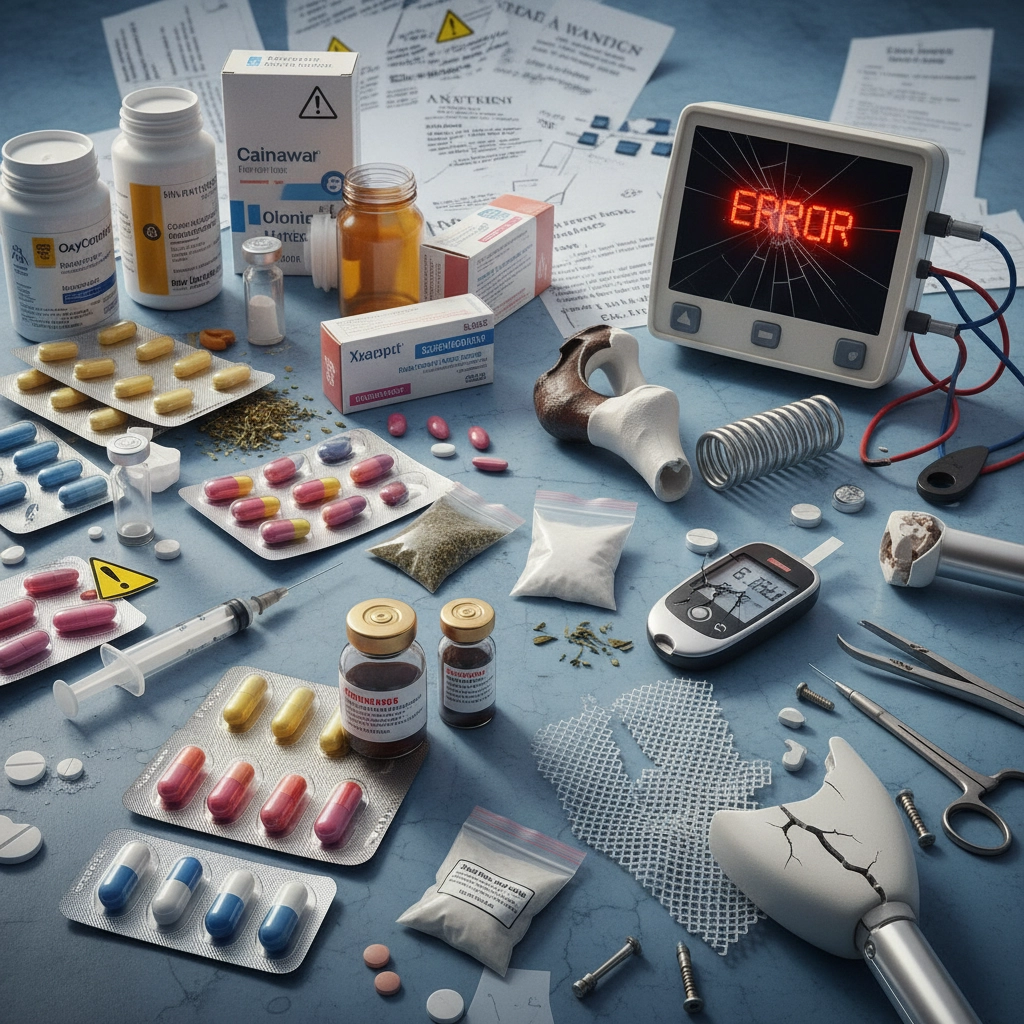

Defective Medical Device Lawsuit: Seeking Compensation for Injuries in Canada
Understanding Defective Medical Devices
Medical devices are designed to improve our health and quality of life, but sometimes these devices fail, causing serious injuries and complications. A defective medical device can be anything from a faulty hip implant to a malfunctioning pacemaker. In Canada, if you’ve been injured by a defective medical device, you have the right to seek compensation for your damages. Understanding your legal options and the steps involved in filing a lawsuit is crucial to protecting your rights and obtaining the financial resources you need to recover. This process often involves navigating complex legal and medical issues, making it essential to consult with an experienced lawyer.
Identifying a Defective Device
The first step in pursuing a defective medical device lawsuit is to determine if the device that caused your injury was indeed defective. A device can be considered defective for several reasons, including design defects, manufacturing defects, and marketing defects. A design defect means the device was inherently flawed in its design, making it unsafe for its intended use. A manufacturing defect occurs when the device is made improperly, leading to deviations from the intended design and potential malfunctions. A marketing defect involves inadequate warnings or instructions about the device’s risks and proper use. Common types of defective medical devices include hip implants, knee implants, pacemakers, defibrillators, surgical mesh, and IVC filters. Symptoms of a defective device can vary widely depending on the type of device and the nature of the defect, but they may include pain, inflammation, infection, device failure, and the need for additional surgery.
Establishing a Causal Link
Once you have identified a potentially defective device, it is essential to establish a causal link between the device and your injuries. This means proving that the device was the direct cause of your harm. This can be a complex process that requires medical evidence and expert testimony. Your medical records will be a crucial piece of evidence in establishing causation. These records should document the implantation of the device, any complications you experienced, and the treatment you received. Expert witnesses, such as medical professionals and engineers, can provide testimony on the potential defects of the device and the likelihood that it caused your injuries. They can also explain the medical and scientific basis for the causal link between the device and your symptoms.
The Role of a Lawyer
Navigating a defective medical device lawsuit can be challenging, and it’s highly recommended to seek legal representation from a qualified personal injury lawyer with experience in this area. A lawyer can help you investigate your claim, gather evidence, negotiate with the device manufacturer or their insurance company, and represent you in court if necessary. During your initial consultation, be prepared to provide your lawyer with details about the device, your injuries, and your medical history. Your lawyer will assess the strength of your case and advise you on the best course of action. They will also explain the legal process and the potential benefits and risks of pursuing a lawsuit. A lawyer can help you understand your rights and ensure that you receive fair compensation for your damages.
Pursuing a Lawsuit
If your lawyer determines that you have a valid claim, they will file a lawsuit on your behalf. The lawsuit will typically name the device manufacturer as the defendant. The lawsuit will allege that the device was defective and that the manufacturer was negligent in its design, manufacturing, or marketing of the device. The discovery phase of the lawsuit involves gathering evidence from both sides. This may include interrogatories (written questions), depositions (oral examinations), and document requests. Your lawyer will use this evidence to build your case and prepare for trial. Most defective medical device lawsuits are resolved through settlement negotiations. However, if a settlement cannot be reached, the case will proceed to trial. At trial, your lawyer will present evidence and argue your case before a judge or jury.
Compensation and Recovery
If you win your defective medical device lawsuit, you may be entitled to compensation for your damages. This compensation may include medical expenses, lost wages, pain and suffering, and other related losses. Medical expenses can include the cost of surgery, hospitalization, physical therapy, and medications. Lost wages can include both past and future lost income due to your inability to work. Pain and suffering damages are intended to compensate you for the physical and emotional distress you have experienced as a result of your injuries. In some cases, punitive damages may also be awarded to punish the manufacturer for their negligence or misconduct. Beyond the financial compensation, it’s important to focus on your physical and emotional recovery. Continue to seek medical treatment for your injuries and consider joining support groups or seeking counseling to cope with the emotional effects of your experience.
Conclusion
Being injured by a defective medical device can be a devastating experience, but it’s important to remember that you have legal rights. By understanding your rights, seeking legal representation, and gathering evidence to support your claim, you can take steps to hold the device manufacturer accountable and obtain the financial resources you need to recover from your injuries. Remember to prioritize your health and well-being throughout the legal process and seek support from medical professionals and support groups as needed. With perseverance and the help of a skilled legal team, you can navigate the complexities of a defective medical device lawsuit and achieve a favorable outcome.
Pharmaceutical Recall Class Action: Your Rights and Legal Options
Understanding Pharmaceutical Recalls
When a pharmaceutical company discovers that a drug poses a significant risk to public health, it may issue a recall. A pharmaceutical recall is a process by which a drug is removed from the market due to safety concerns or manufacturing defects. These recalls are often initiated by the drug manufacturer itself or mandated by regulatory agencies like Health Canada. If you have taken a drug that has been recalled, it’s essential to understand your rights and the legal options available to you, particularly if you have suffered harm as a result. Pharmaceutical recall class actions provide a mechanism for individuals who have been injured by a recalled drug to collectively seek compensation from the drug manufacturer.
Reasons for a Pharmaceutical Recall
Pharmaceutical recalls can occur for a variety of reasons, including contamination, mislabeling, ineffective ingredients, and adverse side effects. Contamination can occur during the manufacturing process, leading to the presence of harmful substances in the drug. Mislabeling can result in patients taking the wrong dosage or being unaware of potential risks. Ineffective ingredients may render the drug useless, leading to a lack of treatment for the intended condition. Adverse side effects, which may not have been fully understood during clinical trials, can cause serious harm to patients. When a drug is recalled, it is typically assigned a recall class based on the severity of the potential risk. Class I recalls are the most serious, indicating that the drug could cause serious health problems or death. Class II recalls indicate that the drug may cause temporary or medically reversible health problems. Class III recalls are the least serious, indicating that the drug is unlikely to cause any health problems.
What to Do If Your Drug is Recalled
If you are taking a drug that has been recalled, the first step is to contact your doctor or pharmacist immediately. They can advise you on whether to stop taking the drug and recommend alternative treatments. It is crucial to follow your doctor’s instructions and not discontinue the drug without their guidance. You should also report any adverse side effects you have experienced to Health Canada. Reporting adverse events helps Health Canada monitor the safety of drugs and take appropriate action when necessary. Keep all documentation related to the recalled drug, including your prescription, medication bottles, and any medical records related to your adverse effects. This documentation will be valuable evidence if you choose to participate in a class action lawsuit.
Joining a Class Action Lawsuit
If you have been injured by a recalled drug, you may be eligible to join a pharmaceutical recall class action lawsuit. A class action lawsuit allows a group of people with similar claims to sue a defendant as a collective. In a pharmaceutical recall class action, the plaintiffs typically allege that the drug manufacturer was negligent in its design, manufacturing, or marketing of the drug. The lawsuit may seek compensation for medical expenses, lost wages, pain and suffering, and other related losses. To join a class action lawsuit, you will typically need to contact a law firm that is handling the case and provide them with information about your experience with the recalled drug. The law firm will assess your eligibility to participate in the class action and guide you through the legal process.
Benefits of a Class Action
Participating in a class action lawsuit can offer several benefits compared to pursuing an individual lawsuit. Class actions allow you to share the costs of litigation with other plaintiffs, making it more affordable to pursue your claim. They also allow you to pool resources and expertise, increasing your chances of success. Class actions can also hold drug manufacturers accountable for their negligence and deter them from engaging in similar conduct in the future. By joining a class action, you can help ensure that other people who have been injured by the recalled drug receive compensation for their damages.
Legal Options and Considerations
Before joining a class action lawsuit, it is important to understand your legal options and the potential risks and benefits. You have the right to opt-out of the class action and pursue your own individual lawsuit. However, this may be more expensive and time-consuming than participating in the class action. You should also be aware that class action settlements typically involve a distribution of funds among all class members, which means that the amount of compensation you receive may be less than what you would have received in an individual lawsuit. Your lawyer can advise you on the best course of action based on your individual circumstances.
Conclusion
Pharmaceutical recalls are a serious matter that can have significant consequences for patients. If you have been injured by a recalled drug, it’s essential to understand your rights and the legal options available to you. By contacting your doctor, reporting adverse events, and seeking legal advice, you can take steps to protect your health and pursue compensation for your damages. Pharmaceutical recall class actions provide a valuable mechanism for holding drug manufacturers accountable and ensuring that patients receive the justice they deserve. Remember to stay informed about drug recalls and to follow your doctor’s instructions regarding your medications. With the help of a skilled legal team, you can navigate the complexities of a pharmaceutical recall class action and achieve a favorable outcome.
Adverse Drug Reaction Class Action: Holding Drug Companies Responsible
Understanding Adverse Drug Reactions
Prescription and over-the-counter drugs are designed to treat various medical conditions, but sometimes they can cause unexpected and harmful side effects, known as adverse drug reactions (ADRs). While some side effects are mild and manageable, others can be severe and life-threatening. When a significant number of people experience similar ADRs from the same drug, an adverse drug reaction class action lawsuit may be warranted. This legal avenue allows individuals who have been harmed by a drug to collectively seek compensation from the drug manufacturer for their injuries. Understanding your rights and the steps involved in pursuing a class action is crucial if you believe you have suffered an ADR.
Identifying an Adverse Drug Reaction
An adverse drug reaction is any unintended and unwanted effect that occurs after taking a drug. ADRs can range from mild symptoms like nausea and headaches to severe reactions like organ damage, heart problems, and even death. It is important to be aware of the potential side effects of any medication you are taking and to report any unusual or concerning symptoms to your doctor immediately. Your doctor can assess your symptoms, determine if they are related to the drug, and adjust your treatment plan accordingly. Keep a detailed record of your symptoms, including when they started, how severe they are, and any other relevant information. This record will be valuable evidence if you decide to pursue a legal claim.
Establishing Causation
To succeed in an adverse drug reaction class action, it is essential to establish a causal link between the drug and your injuries. This means proving that the drug was the direct cause of your ADRs. This can be a complex process that requires medical evidence and expert testimony. Your medical records will be a crucial piece of evidence in establishing causation. These records should document the medications you were taking, the symptoms you experienced, and the treatment you received. Expert witnesses, such as medical professionals and pharmaceutical experts, can provide testimony on the potential risks of the drug and the likelihood that it caused your injuries. They can also explain the medical and scientific basis for the causal link between the drug and your symptoms.
The Role of Drug Companies
Drug companies have a responsibility to ensure that their drugs are safe and effective for their intended use. This includes conducting thorough clinical trials to identify potential side effects and providing adequate warnings to patients and healthcare providers. If a drug company fails to meet these obligations and a drug causes harm to patients, the company may be held liable in an adverse drug reaction class action. Common allegations in these lawsuits include failure to adequately test the drug, concealing known risks, and marketing the drug in a misleading manner. Drug companies may also be liable if they fail to warn patients about potential interactions with other drugs or medical conditions.
Seeking Legal Representation
If you believe you have suffered an ADR due to a drug, it is highly recommended to seek legal representation from a qualified personal injury lawyer with experience in pharmaceutical litigation and class action lawsuits. A lawyer can help you investigate your claim, gather evidence, negotiate with the drug company or their insurance company, and represent you in court if necessary. During your initial consultation, be prepared to provide your lawyer with details about the drug, your ADRs, and your medical history. Your lawyer will assess the strength of your case and advise you on the best course of action. They will also explain the legal process and the potential benefits and risks of pursuing a class action lawsuit.
Compensation and Justice
If you win your adverse drug reaction class action, you may be entitled to compensation for your damages. This compensation may include medical expenses, lost wages, pain and suffering, and other related losses. Medical expenses can include the cost of treatment for your ADRs, such as hospitalization, medication, and therapy. Lost wages can include both past and future lost income due to your inability to work. Pain and suffering damages are intended to compensate you for the physical and emotional distress you have experienced as a result of your ADRs. In some cases, punitive damages may also be awarded to punish the drug company for their negligence or misconduct. Beyond the financial compensation, pursuing an adverse drug reaction class action can help hold drug companies accountable for their actions and prevent similar harm from occurring in the future.
Conclusion
Experiencing an adverse drug reaction can be a challenging and frightening experience, but it’s important to remember that you have legal rights. By understanding your rights, seeking legal representation, and gathering evidence to support your claim, you can take steps to hold drug companies accountable and obtain the financial resources you need to recover from your injuries. Remember to prioritize your health and well-being throughout the legal process and seek support from medical professionals and support groups as needed. With perseverance and the help of a skilled legal team, you can navigate the complexities of an adverse drug reaction class action and achieve a favorable outcome.
Medical Device Failure Lawsuit: Finding a Class Action Lawyer in Canada
The Impact of Medical Device Failures
Medical devices are designed to improve the quality of life for patients, but when these devices fail, the consequences can be devastating. From hip implants to pacemakers, defective medical devices can cause serious injuries, requiring additional surgeries, ongoing medical treatment, and significant pain and suffering. If you have been injured by a failing medical device in Canada, you may be entitled to compensation through a medical device failure lawsuit. Finding a class action lawyer with experience in this area is crucial to protecting your rights and navigating the complex legal process.
Identifying a Medical Device Failure
A medical device failure occurs when a device does not perform as intended, leading to injury or harm to the patient. This can be due to a variety of factors, including design defects, manufacturing errors, or inadequate warnings. Design defects occur when the device is inherently flawed in its design, making it unsafe for its intended use. Manufacturing errors occur when the device is made improperly, leading to deviations from the intended design and potential malfunctions. Inadequate warnings occur when the manufacturer fails to provide sufficient information about the risks and proper use of the device. Common symptoms of a medical device failure can include pain, inflammation, infection, device malfunction, and the need for revision surgery.
The Importance of a Class Action
When numerous individuals experience similar injuries due to the same medical device, a class action lawsuit may be the most effective way to seek compensation. A class action allows a group of people with similar claims to sue a defendant as a collective, pooling resources and expertise to increase their chances of success. Class actions can also help hold medical device manufacturers accountable for their negligence and deter them from putting profits over patient safety. In Canada, class actions are governed by provincial rules of civil procedure, which set out the requirements for certifying a class and managing the litigation.
Finding the Right Lawyer
Finding a class action lawyer with experience in medical device failure lawsuits is crucial to protecting your rights and maximizing your chances of success. Look for a lawyer who has a proven track record of handling similar cases and who is familiar with the relevant laws and regulations. A good lawyer will also have the resources and expertise to investigate your claim, gather evidence, and negotiate with the medical device manufacturer or their insurance company. When choosing a lawyer, consider their experience, reputation, and client testimonials. Schedule initial consultations with several lawyers to discuss your case and assess their suitability.
Questions to Ask a Potential Lawyer
During your initial consultations, ask potential lawyers about their experience with medical device failure lawsuits, their success rate, and their fees. Ask about their strategy for handling your case and their assessment of the potential risks and benefits of pursuing a class action. Also, ask about their communication style and how they will keep you informed about the progress of your case. It’s important to choose a lawyer who you feel comfortable working with and who you trust to represent your best interests.
The Legal Process
The legal process for a medical device failure lawsuit typically involves several stages, including investigation, filing a claim, discovery, settlement negotiations, and trial. The investigation stage involves gathering evidence to support your claim, such as medical records, expert opinions, and information about the device’s design and manufacturing. The filing a claim stage involves drafting and filing a lawsuit with the court, outlining your allegations and the damages you are seeking. The discovery stage involves exchanging information with the defendant, such as documents, interrogatories, and depositions. The settlement negotiations stage involves attempting to reach a settlement agreement with the defendant to resolve the case. If a settlement cannot be reached, the case will proceed to trial.
Conclusion
Being injured by a failing medical device can have a significant impact on your life. If you have suffered harm due to a defective medical device in Canada, it’s important to understand your legal rights and seek the advice of a qualified class action lawyer. By finding the right lawyer and understanding the legal process, you can take steps to hold the medical device manufacturer accountable and obtain the compensation you deserve. Remember to prioritize your health and well-being throughout the legal process and seek support from medical professionals and support groups as needed. With perseverance and the help of a skilled legal team, you can navigate the complexities of a medical device failure lawsuit and achieve a favorable outcome.